Mini excavators have become indispensable in modern construction, landscaping, and earthmoving projects. Their compact size, maneuverability, and versatility allow operators to complete tasks in tight spaces and challenging terrains where larger machines cannot operate efficiently. Choosing the right mini excavator for your project is essential to ensure productivity, safety, and cost-effectiveness. By understanding key factors such as size, power, attachments, and terrain compatibility, you can make an informed decision that meets your specific needs. Contractors and landscapers looking to expand their fleet can explore a variety of mini excavators for sale Australia to find models that suit their project needs and site conditions.
Assess Your Project Requirements
The first step in selecting a tiny excavator is to evaluate the needs of your project. Consider the types of tasks you’ll be performing—whether digging trenches, landscaping, grading, demolition, or utility installation. The depth and width of the holes you need to excavate, the materials you’ll handle, and the project duration are critical factors. Smaller models may be sufficient for light landscaping or residential work, while larger mini excavators provide higher digging power and lifting capacity for more demanding construction projects. Understanding these requirements helps you choose a machine that can complete the work efficiently without overloading or underutilising the equipment.
Determine The Appropriate Size And Weight
Mini excavators range in size from sub-1-ton machines to models approaching 10 tons. Selecting the right size ensures the machine can maneuver through tight spaces while providing sufficient power for the task. Lighter models are ideal for residential or indoor projects where minimal ground disturbance is essential. Heavier machines offer increased stability and digging force, making them suitable for commercial construction or excavation on uneven terrain. Always consider the transport and storage logistics as well, since mini excavators must be transported between sites safely.

Consider Engine Power And Hydraulic Performance
Engine power and hydraulic capabilities determine the machine’s efficiency and versatility. More powerful engines provide faster cycle times and the ability to handle tougher materials, while higher hydraulic flow supports advanced attachments. For projects requiring multiple attachments or heavy lifting, ensure the mini excavator has adequate hydraulic capacity and torque to operate efficiently. Finding a balance between engine power and fuel efficiency can help reduce operating costs, particularly for frequent or prolonged use.
Evaluate Attachments And Versatility
Attachments greatly expand the capabilities of a mini excavator. Buckets, hydraulic hammers, augers, grapples, and compactors can transform a standard machine into a multipurpose tool. When choosing a mini excavator, consider the availability and compatibility of attachments that will be useful for your project. Quick coupler systems allow operators to change attachments quickly, improving efficiency and reducing downtime. Choosing a machine with versatile attachment options ensures long-term value and adaptability for future projects.
Examine Terrain And Ground Conditions
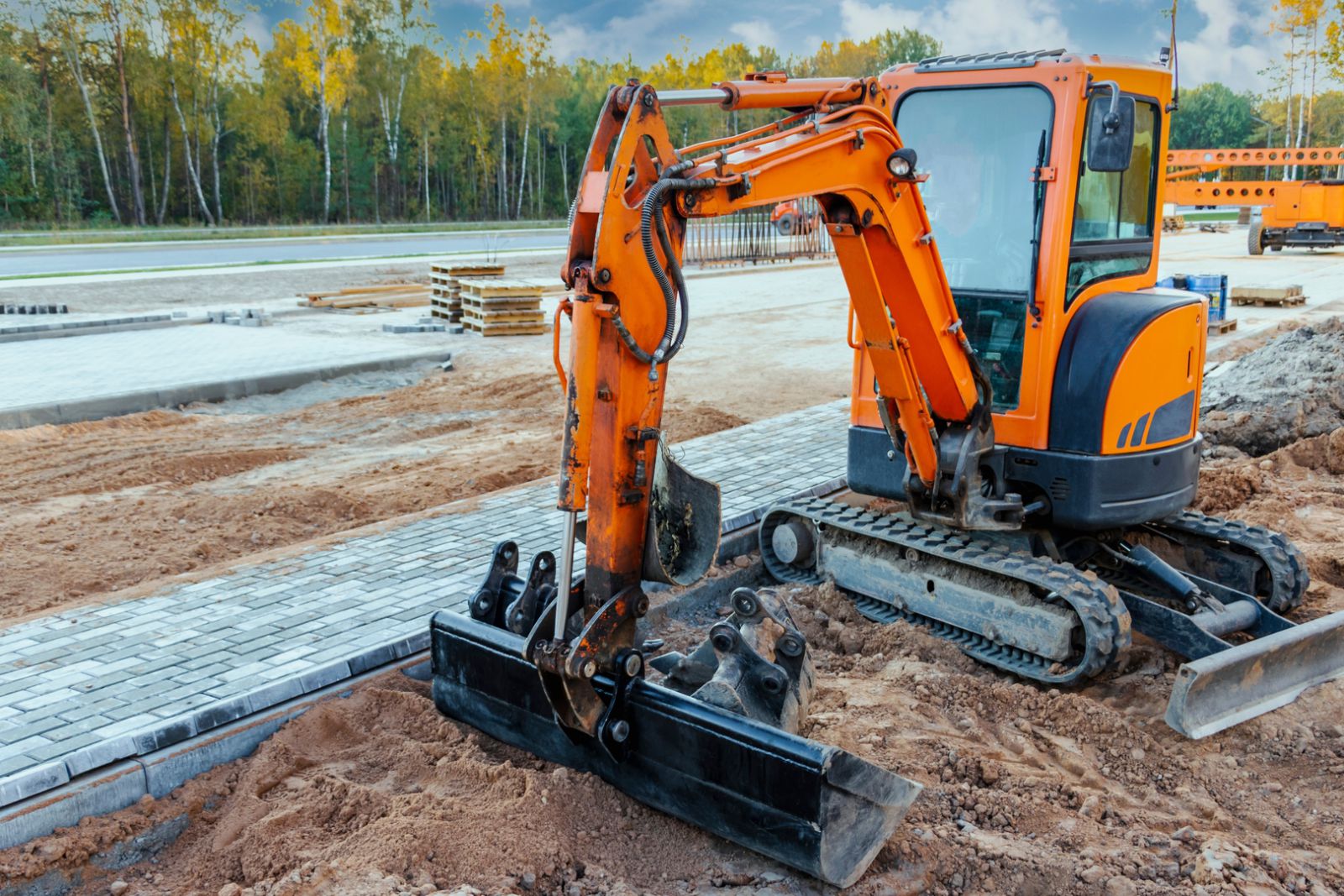
The operating environment impacts the choice of a mini excavator. Rubber tracks provide excellent mobility on paved surfaces and reduce ground disturbance, making them ideal for landscaping and urban projects. Steel tracks offer better traction and durability for rough, uneven, or muddy terrain. Consider the soil type, slope, and working conditions to ensure the machine maintains stability and performance throughout the project.
Maintenance And Reliability
Regular maintenance and reliability are key factors in long-term performance. Look for mini excavators with easy access to service points, durable components, and a reputation for dependability. Features like quick-change filters, accessible grease points, and low-maintenance hydraulic systems reduce downtime and extend the machine’s lifespan. Reliable equipment ensures an uninterrupted workflow and protects your investment.
Final Thoughts
Choosing the right mini excavator involves evaluating project requirements, machine size, power, attachments, and terrain suitability. By carefully considering these factors, operators can select a machine that maximises efficiency, safety, and versatility. Investing in a mini excavator tailored to your specific needs ensures smoother operations, faster project completion, and long-term reliability, making it an invaluable asset for any construction, landscaping, or earthmoving project.