Henry
Henry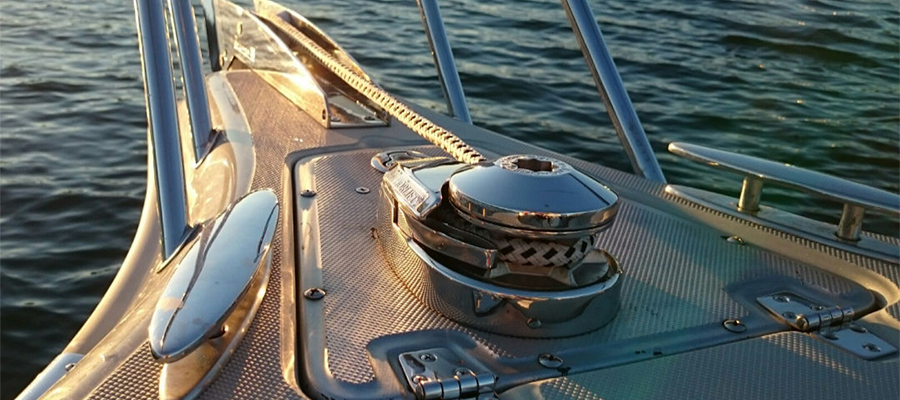
Anchoring is one of those boating tasks that seems straightforward until conditions become difficult. Strong currents, changing winds, deep water, and repeated stops can turn manual anchor handling into demanding work. Modern winch systems are designed to make the process more controlled, reducing physical effort while giving boat owners a practical way to deploy and retrieve an anchor.
Choosing the right system, however, involves more than simply looking for enough pulling power. The design, construction, controls, capacity, and compatibility of a winch can all influence how well it performs on the water.
Pulling Capacity for the Boat and Anchor
One of the first considerations is the pulling capacity of the winch. Boats vary considerably in size and weight, while anchors and anchoring systems can also differ depending on typical boating conditions.
A winch should have sufficient capability to retrieve the anchor and manage the associated rope and chain without constantly operating near its limits. Selecting equipment with the intended application in mind can support smoother operation and potentially reduce unnecessary strain on components.
Boat owners should consider the anchor weight, chain arrangement, vessel size, and typical anchoring depth when assessing capacity.
Construction That Handles Marine Conditions
Marine equipment operates in an environment where moisture, salt, spray, and changing temperatures are unavoidable. For this reason, construction quality is particularly important.
A modern boat anchor winch should incorporate materials and components suited to marine use. Corrosion-resistant construction can help protect important parts from premature deterioration, especially for vessels regularly exposed to saltwater.
The winch housing, drum, mounting hardware, electrical connections, and other exposed components all deserve attention. Regular cleaning and inspection remain important even when marine-appropriate materials are used.
Rope and Chain Capacity
Anchoring depth changes from one boating location to another. A vessel used mainly in shallow sheltered water may have very different requirements from one regularly taken into deeper offshore areas.
The winch drum must have enough capacity for the required length and type of anchor rope. The arrangement should also accommodate any chain incorporated into the anchoring system.
Having appropriate capacity gives boaters greater flexibility when conditions require additional scope. It can also prevent overcrowding on the drum, which may interfere with smooth retrieval and storage.
Control and Ease of Operation
Convenience is one of the major reasons boat owners move from manual anchor retrieval to powered systems. Controls should therefore be positioned and designed to make operation straightforward.
Depending on the setup, controls may be installed near the helm or another practical location. Some systems can provide additional control options that allow the operator to manage anchoring without repeatedly moving around the vessel.
Good visibility of the anchoring area is still important. Operators should remain aware of the rope, chain, anchor position, and surrounding conditions during deployment and retrieval.
Installation and Electrical Compatibility
A powerful winch will only perform properly when it is correctly integrated into the boat. Installation involves both mechanical mounting and electrical considerations.
The mounting location needs sufficient structural support to manage the forces produced during operation. Cable sizing, circuit protection, connections, switches, and the vessel’s electrical capacity should also match the requirements of the equipment.
Poor electrical connections can contribute to voltage drop and inconsistent performance. Following manufacturer specifications and using appropriate marine electrical components can help create a more dependable setup.
Retrieval Speed and Controlled Anchoring
Speed can influence convenience, but faster is not automatically better. A well-designed system should provide practical deployment and retrieval while allowing the operator to maintain control.
Controlled operation becomes especially valuable near crowded anchorages, changing seabeds, or areas where precise positioning matters. Smooth retrieval can also make it easier to manage the final stage as the anchor approaches the bow.
Maintenance Accessibility
Even durable marine equipment requires periodic attention. Winches should be inspected for corrosion, loose connections, rope wear, damaged components, and signs of unusual mechanical or electrical behaviour.
Equipment that provides reasonable access to important components can make routine inspections simpler. Preventive maintenance can also identify minor problems before they develop into failures during a trip.
Building a More Confident Anchoring Setup
A modern anchor winch can transform anchoring from a physically demanding chore into a more manageable part of boating. Pulling capacity, marine-grade construction, drum capacity, controls, electrical compatibility, and maintenance requirements should all be evaluated together.
The most suitable system is ultimately one that matches the vessel and the conditions in which it is normally used. Thoughtful equipment selection, correct installation, and regular maintenance can provide boat owners with greater control and confidence whenever it is time to drop or retrieve the anchor.